
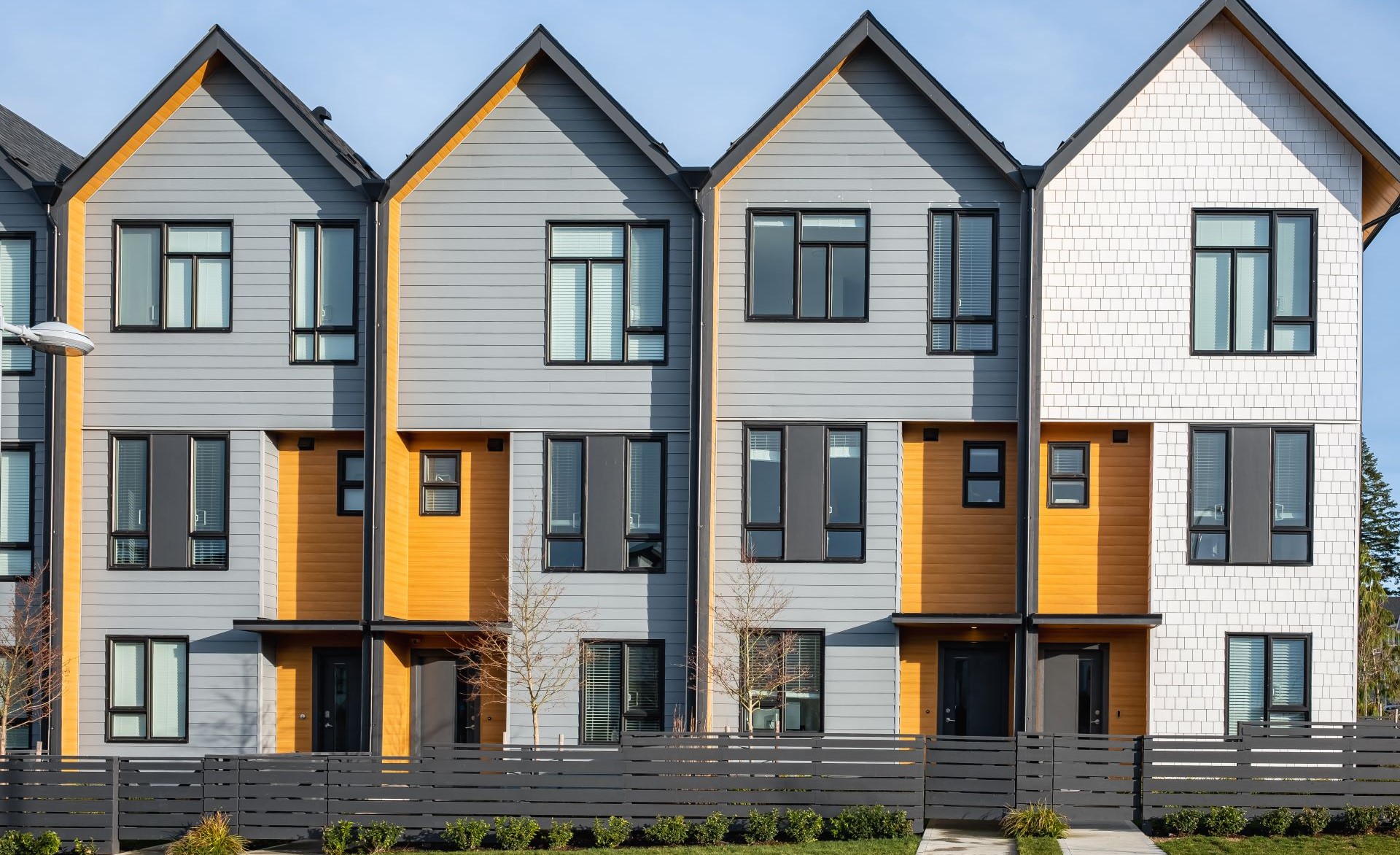
Commercial Property Insurance
Get top-rated coverage on commercial buildings, vacant and rental dwellings (Airbnb/Vrbo), townhomes and condominium associations, and more!

A++ Rated Policies*
All policies are underwritten by insurers with A++ ratings* so you can confidently show your customers you have top-rated coverage.

Fast Quotes
Time is money. That’s why our non-commissioned agents work hard to get our customers a quote over the phone in 15 minutes or less.

Premier Service
Based in Omaha, Nebraska, our team of non-commissioned agents is devoted to making commercial auto and property insurance easy for our customers.
Property Coverage at a Glance
- What it covers: the building, your business personal property, and the income lost while the property is repaired following a covered loss, among other coverages depending on the policy.
- Common covered causes of loss: fire, theft, vandalism, windstorm, hail, and explosions, among others. Floods and earthquakes generally need separate coverage.
- Who it is for: commercial building owners, landlords, short-term-rental owners, condo and townhome associations, and commercial lessors, among others.
- How to get a quote: by phone during business hours, usually in about 15 minutes.
What Is Commercial Property Insurance?
Commercial property insurance covers the physical assets a business owns: the building, the fixtures attached to it, and the business personal property kept inside. It pays for direct physical loss of or damage to that property from causes of loss named in the policy, such as fire, theft, and storm damage. Most policies also pay for lost income while a covered loss keeps the property out of use.
It is also called business property insurance, and the two terms are generally used interchangeably.
Milepost is an insurance agency, and a Berkshire Hathaway company. We place business property coverage with the insurance companies we represent for select types of properties, and we prepare the quote and the policy application on your behalf.
What Does Commercial Property Insurance Cover?
Coverage varies by policy, but a commercial property policy generally protects the building, the contents, and the income the property earns.
The building and other structures
This part of the policy covers the building itself, along with other structures that sit on the property premises. Permanently installed fixtures and outdoor signs are generally included. Some structures are not automatically covered on our product — fencing, sheds, and detached garages, among others — so they need to be specifically requested and scheduled if you want them insured, and your insurance agent can confirm what is included on your building. Storm, fire, vandalism, and theft-related damage to the structure are among the most common covered causes of loss.
Business personal property
This part of the policy covers your own contents kept on site, such as office equipment, furniture, inventory, and the tools and equipment you keep on the premises. Business personal property coverage applies to property you own. Property belonging to others is generally not covered, so at a mini storage facility the goods your tenants store in the units would not typically be covered under your policy. Equipment breakdown coverage, for something like an air conditioner, boiler, or lift that fails, can be considered on most property accounts, and your insurance agent can include it on the quote where it is available.
Lost income
If a covered cause of loss results in direct physical loss of or damage to the property and makes the building unusable, business interruption coverage can help replace the rental or business income that would have been earned during the period of repair or restoration.
What is typically not covered:
Floods and earthquakes are excluded from most standard property policies, so those natural disasters generally require separate coverage. Ordinary wear and tear, depreciation, and deferred maintenance are not covered losses either. Those are among the most common exclusions. Optional coverages are generally added by endorsement, and your insurance agent can review which ones are available on your policy.
Replacement Cost vs. Actual Cash Value
The valuation method you choose is a major factor in how a covered loss is settled.
- Replacement cost pays to repair or rebuild with materials of like kind and quality, without subtracting for age.
- Actual cash value pays replacement cost minus depreciation for age, wear and tear, and similar factors.
Replacement cost generally leaves you funding a smaller share of the rebuild yourself. Your coverage limits and deductible work alongside this choice, and your insurance agent can explain how each option would settle a claim on your building.
The Properties We Insure
Here is a list of the most common types of properties that we help our customers find insurance for. If your property is not listed, call us during business hours. Eligibility depends on the type of property, how it is used, its condition, and the state where it is located, among other factors.
Commercial Properties
- Commercial leasing (Lessor's Risk Only, or "LRO")
- Vacant commercial properties (not abandoned or planned for demolition)
- Mini storage
- Automotive repair and auto body shops
- Used auto dealerships and auto parts stores
- Child daycare centers
- Bed & breakfast
- Light commercial renovations
Residential Dwellings
- Rental homes and dwellings (short & long term)
- Airbnb & Vrbo
- Townhome associations
- Condominiums up to 20 units per building
- Vacant dwellings
- Secondary homes
- Student housing
- Chalet & mountain rentals
- Light residential renovations
Vacant Properties
If you own a building that is currently sitting empty, vacancy generally changes how a property policy responds. Standard policies often restrict or exclude certain coverages once a building has been unoccupied for a set period. Our guide to vacant commercial property insurance explains what changes and when.
Lessor's Risk Only (LRO) Insurance for Commercial Landlords
Most Lessor's Risk Only Insurance policies, commonly shortened to “LRO”, provide the owner (or landlord) of a commercial building with property insurance on the building itself. LRO applies when the building is leased to other tenants and the owner does not operate a business in the building. An LRO policy is usually purchased along with the owner's liability coverage as landlord. The tenant's operations, inventory, and equipment should be insured under the tenant's own policy.
LRO is a common fit for retail strip malls, small office buildings, warehouses, and mixed-use property, among other commercial leasing arrangements. Pricing depends heavily on who your tenants are and what they do in the space, along with the other factors listed below.
Most commercial leases also require the tenant to name the owner as an additional insured and produce a certificate of insurance. Certificates for property policies are generally prepared by our agents on request rather than generated online.
What Affects the Cost of Commercial Property Insurance?
Premiums are set on the individual property, so we do not publish a premium figure. These are among the factors insurers weigh most when pricing property coverage:
- The building: age, value, and construction type.
- Location: distance to a fire station and hydrant, and how much wind, hail, and wildfire the area sees.
- How the property is used: an occupied office building and a restaurant are priced very differently.
- Occupancy: vacant and partly occupied buildings generally price differently than fully occupied ones.
- Your coverage choices: limits, deductible, and cause of loss.
- Loss history and property protection: prior claims on the property, and whether sprinklers, alarms, fencing, and documented maintenance are in place.
Coverage That is Often Purchased along with a Property Policy
A property policy covers the building and its contents. Property owners usually need coverage for more than just the physical property. Depending on how you operate, you may also need:
- General liability insurance, for third-party bodily injury and property damage claims, such as someone hurt in a common area or a parking lot.
- Commercial auto insurance, if you or your staff drive between properties for the business. A personal auto policy usually will not respond to business use. See our commercial auto insurance page.
- Workers' compensation, if you employ maintenance or property management staff directly.
You may need other coverages as well. Our non-commissioned agents can explain which of these apply and where they can be placed. Most owners start with the property policy and then add the coverages that apply to their vehicles, their employees, and the claims that can arise from owning the building.
Frequently asked questions (FAQ) about Property Insurance
-
What does commercial property insurance cover?
Commercial property insurance generally covers the building, attached fixtures, and the business personal property kept inside. It pays for direct physical loss of or damage to the property from covered causes of loss such as fire, theft, vandalism, windstorm, and explosions. Most policies also include business interruption coverage for income lost while the property is repaired. Floods and earthquakes are typically excluded and need separate coverage.
-
Is commercial property insurance the same as a business owner's policy?
No, not in most cases. A business owner's policy, or BOP, packages property coverage together with general liability for a small business that operates out of its space. Commercial property insurance is the property coverage on its own. Standalone property coverage is usually the right type of policy for someone who owns a building as an investment rather than running a business inside it.
-
Does commercial property insurance cover a vacant building?
Often not, at least not on a standard policy. Most property policies restrict or suspend certain coverages once a building has been vacant for a set number of consecutive days. Once a building is empty and expected to stay that way for a while, you generally need a vacant property policy. Milepost places coverage on vacant commercial properties and vacant dwellings, as long as the property is not abandoned or planned for demolition.
-
What is Lessor's Risk Only insurance?
Lessor's Risk Only, or LRO, is commercial property coverage for an owner who leases a building to tenants and does not run a business there. An LRO policy generally covers the building, and it is usually written alongside the owner's liability coverage as landlord. The tenant's operations, inventory, and equipment should be insured under the tenant's own policy.

Get Your Property Insurance Quote Today
Phone: 1 (844) 380-6009
Hours: Monday – Friday 8:00am–5:00pm Central Time
Please note: While online quoting is not currently available for property coverage, our team of non-commissioned agents is ready to assist you by phone and provide a personalized quote.